
Ethinic Rhinoplasty
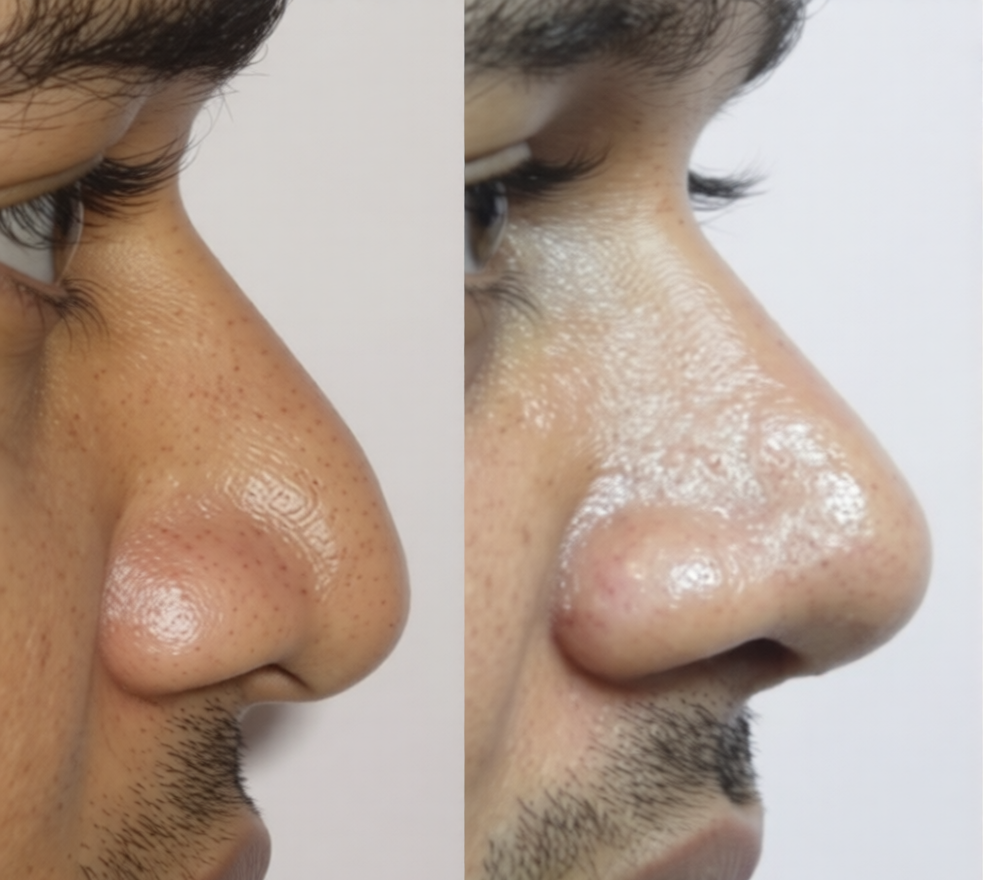
Rhinoplasty, commonly known as nose job, nose plastic surgery or nose reshaping surgery, is a specialized surgical procedure performed to improve the structure, function, or appearance of the nose. While many people associate rhinoplasty with cosmetic enhancement, it is also a medically significant procedure that can correct breathing difficulties, nasal deformities, and trauma-related issues. When performed by experienced ENT and facial plastic surgeons, rhinoplasty offers both functional improvement and aesthetic balance.
At Microcare ENT, Centre for Advanced Rhinoplasty & Functional Nose Surgery, our approach to rhinoplasty integrates 26+ years of clinical expertise with precision-driven technology. Under the leadership of Dr. Sriprakash Vinnakota, we prioritize anatomical harmony and surgical safety to deliver long-term functional and cosmetic results.
India's Top Rhinoplasty Surgeon

What Is Rhinoplasty Surgery?
Understanding Rhinoplasty: Function and Form, Functional + Aesthetic Nose Correction
Rhinoplasty is a high-precision surgical intervention that involves the strategic remodeling of the nasal framework. By meticulously modifying the nasal bone, upper and lower lateral cartilages, and the septum (often referred to as Septorhinoplasty), surgeons can achieve a dual objective: enhancing facial proportions and restoring physiological breathing.
Because the nose is the centrepiece of facial symmetry and a critical airway, the procedure serves two primary purposes:
- Cosmetic: Refining the bridge, tip, or nostrils for aesthetic balance.
- Functional: Correcting structural issues like a deviated septum or collapsed valves to improve airflow.
At Microcare ENT, Centre for Advanced Rhinoplasty & Functional Nose Surgery, we view rhinoplasty as a “surgery of millimetres,” where minute adjustments lead to significant improvements in both appearance and quality of life.

Benefits of Nose Reshaping Surgery: Rhinoplasty is Functional + Aesthetic Nose Correction
Rhinoplasty offers transformative results that extend beyond aesthetics, impacting both psychological well-being and physiological health. As an Advanced Super Speciality procedure, the benefits include:
- Enhanced Facial Harmony: Correcting nasal shape, size, or asymmetry to create a balanced, natural appearance that complements your unique facial features.
- Restoration of Respiratory Function: Reconstructing internal nasal structures to resolve chronic breathing difficulties, often caused by a deviated septum or narrow nasal valves.
- Correction of Congenital Deformities: Addressing birth-related nasal issues (such as cleft lip nasal deformities) to improve both form and function from an early age.
- Long-Term Sinus Health: By improving airflow and nasal drainage, functional rhinoplasty can significantly reduce the frequency of sinus-related complications.
Because the nose is the gateway to the respiratory system, successful rhinoplasty requires profound anatomical knowledge. At Microcare ENT, our expertise in Advanced Functional Rhinoplasty ensures that every aesthetic refinement is supported by a stable, functional airway.
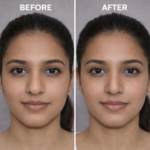

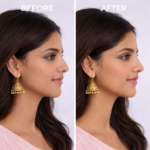
Types of Rhinoplasty: Specialized Approaches to Nasal Surgery
As Centre for Advanced Rhinoplasty & Functional Nose Surgery, Microcare ENT categorizes rhinoplasty into specific surgical pathways based on the patient’s anatomical needs and clinical goals.
1. Cosmetic Rhinoplasty (Aesthetic Reshaping)
Cosmetic rhinoplasty focuses on enhancing facial proportions by refining the external nasal structure. Utilizing advanced 3D planning, surgeons can precisely adjust:
- Nasal Bridge: Removing humps or narrowing the width.
- Nasal Tip: Refining "bulbous" or drooping tips for better definition.
- Symmetry: Correcting deviations to centre the nose with the facial midline.
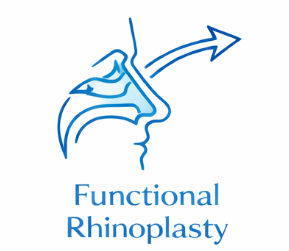
2. Functional Rhinoplasty (Airway Restoration)
This procedure is medically indicated for patients suffering from chronic nasal obstruction. It addresses internal structural failures such as:
- Internal & External Nasal Valve Collapse: Strengthening the nasal sidewalls to prevent collapse during inhalation.
- Turbinate Hypertrophy: Reducing enlarged tissues that block airflow.
3. Septorhinoplasty (Comprehensive Form & Function)
Septorhinoplasty is the “Gold Standard” for patients with a deviated septum who also desire aesthetic changes. By simultaneously straightening the internal midline (septum) and refining the external shape, this procedure ensures that aesthetic beauty never comes at the cost of breathing quality.
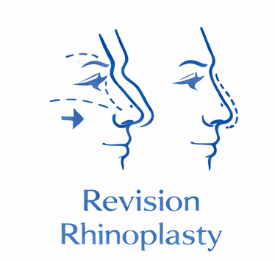
4. Revision Rhinoplasty (Corrective Surgery)
Known as one of the most complex procedures in Head & Neck surgery, revision rhinoplasty corrects or refines results from a previous operation. Because it often involves managing scar tissue and depleted cartilage, it requires the high-level expertise found in a Super Speciality environment.
5. Gender-Specific Rhinoplasty (Masculine vs. Feminine Aesthetics)
Surgical goals vary significantly based on gender-specific facial morphology:
- Female Rhinoplasty: Often focuses on a slightly more delicate bridge, a refined tip, and a specific "nasolabial angle" to enhance feminine features.
- Male Rhinoplasty: Prioritizes a strong, straight bridge and a more prominent nasal tip to maintain a masculine profile and facial character.
6. Ethnic Rhinoplasty (Preserving Heritage)
Ethnic rhinoplasty requires deep cultural and anatomical understanding. The goal is to enhance the nose—addressing issues like wide nostrils or a flat bridge—while meticulously preserving the patient’s ethnic identity and unique heritage.




Candidacy: Who is an Ideal Candidate for Rhinoplasty?
Determining suitability for nasal surgery requires a comprehensive clinical assessment. At Microcare ENT, Centre for Advanced Rhinoplasty & Functional Nose Surgery, our screening process ensures that surgery is only recommended when it is safe and medically appropriate.
An ideal candidate for rhinoplasty typically meets the following Physiological and Psychological criteria:
1. Completion of Facial Growth
For surgical outcomes to remain stable, the nasal bones and cartilage must be fully developed.
- Female Patients: Generally eligible after age 15–16.
- Male Patients: Generally eligible after age 17–18.
- Note: Earlier intervention may be considered in cases of severe congenital deformity or significant trauma.
2. Medical Necessity and Functional Issues
Candidates often seek surgery to resolve chronic issues that affect their quality of life, such as:
- Nasal Airway Obstruction: Difficulty breathing due to a deviated septum, vestibular stenosis, or nasal valve collapse.
- Congenital Deformities: Structural issues present from birth, such as a cleft lip nasal deformity.
- Post-Traumatic Damage: Nasal fractures or structural deviations caused by past injuries.
3. Optimal General Health
As a Level-3 surgical procedure, candidates should be in good physical health to ensure safe anaesthesia and efficient healing. Ideal candidates are:
- Non-smokers: Or willing to quit for several weeks before and after surgery, as smoking significantly impairs tissue recovery and increases infection risk.
- Free from Active Local Infections: The nasal and sinus tissues must be healthy at the time of surgery.
4. Psychological Readiness and Realistic Expectations
Medical authority guidelines emphasize that a “perfect” nose is not a realistic goal. The ideal candidate:
- Desires improvement and harmony, rather than absolute perfection.
- Understands that rhinoplasty is a "surgery of millimeters" intended to enhance their unique facial character.
5. Expert ENT Evaluation
The most critical factor in candidacy is a Detailed ENT Evaluation. Unlike a purely cosmetic consultation, an ENT-led assessment includes a diagnostic look at the internal nasal anatomy (often using nasal endoscopy) to ensure that any aesthetic change also supports—or improves—long-term breathing function.
Preoperative Evaluation: Precision Surgical Planning
In 2026, rhinoplasty is no longer approached as a “one-size-fits-all” procedure. At Microcare ENT, the preoperative phase is a sophisticated diagnostic journey designed to minimize risk and maximize predictability through a personalized surgical roadmap.
Our comprehensive medical assessment includes:
1. Endoscopic Nasal Examination
Unlike a basic visual check, our surgeons perform a Diagnostic Nasal Endoscopy. This allows for a high-definition view of the internal nasal structures, identifying deep-seated issues like posterior septal deviations or nasal polyps that could compromise surgical results.
2. Functional Airway Assessment
As an ENT-led Super Speciality center, we prioritize your ability to breathe. We conduct a rigorous assessment of the nasal valves and turbinates to ensure the new nasal shape maintains—or improves—physiological airflow.
3. Advanced Facial Analysis & Proportions
Using modern facial mapping techniques, we analyze the nose in relation to the forehead, chin, and lips. This ensures Anatomical Harmony, focusing on the nasolabial and nasofrontal angles to achieve a result that looks natural and balanced.
4. High-Resolution Imaging & Documentation
When required, we utilize High-Resolution CT Scans (Paranasal Sinuses) to map the intricate bone and cartilage anatomy. This “digital blueprint” is essential for complex revision cases or significant reconstructive surgery.
5. Collaborative Goal Setting
The final step is an in-depth consultation to align surgical possibilities with patient expectations. We discuss:
- The Surgical Blueprint: Which specific techniques (Open vs. Closed Rhinoplasty) will be used.
- Safety Protocols: Review of medical history and anaesthesia readiness.
- Predictable Outcomes: Transparent communication regarding what can be achieved based on your unique skin type and cartilage strength.
At Microcare ENT, our precision-driven planning ensures that every procedure is a balance of functional safety and aesthetic excellence.
The Rhinoplasty Procedure: A Step-by-Step Clinical Overview
At Microcare ENT, Centre for Advanced Rhinoplasty & Functional Nose Surgery, rhinoplasty is treated as a high-precision reconstructive surgery. Depending on the anatomical complexity, the procedure typically takes 2 to 4 hours and follows a rigorous 5-step surgical protocol.
Step 1: Specialized Anaesthesia Protocols
Patient comfort and safety are paramount. The procedure is performed under:
- General Anaesthesia: Administered by a senior consultant anaesthesiologist for maximum safety during complex reconstructions.
- Local Anaesthesia with Intravenous Sedation: Often utilized for minor refinements or "tip-plasty" procedures.
Step 2: Choosing the Surgical Approach (Open vs. Closed)
The surgeon selects an approach based on the level of visibility and structural change required:
- Closed Rhinoplasty (Endonasal): Incisions are made entirely inside the nostrils, resulting in no visible scarring. This is ideal for minor bridge or tip refinements.
- Open Rhinoplasty (External): A small, strategic incision is made across the columella (the tissue between the nostrils). This provides the surgeon with a full view of the nasal framework, essential for complex reshaping, revision cases, or functional airway restoration.
Step 3: Precision Nasal Reshaping
The core of the surgery involves meticulously modifying the nasal bone and cartilage.
- Bone Reduction or Augmentation: Using specialized instruments (including Piezoelectric/Ultrasonic tools for greater precision), the nasal bridge is reshaped.
- Cartilage Sculpting: The lower and upper lateral cartilages are refined to create a more defined nasal tip or a smoother profile.
Step 4: Functional Airway Correction (Septoplasty)
If the patient suffers from breathing issues, the surgeon performs a Septoplasty at this stage. The deviated septum is straightened, and internal structures like the turbinates or nasal valves are reinforced to ensure permanent relief from nasal obstruction.
Step 5: Structural Closure & Support
Once the new framework is established, the skin and soft tissues are redraped over the nose.
- Suturing: Internal incisions are closed with dissolvable sutures; external incisions use fine, aesthetic sutures.
- Nasal Support: A protective external splint is applied to maintain the new shape during the initial healing phase. In some cases, soft internal nasal splints are used to support the septum and prevent adhesions.
Recovery After Rhinoplasty: The Healing Timeline
Recovery after nose plastic surgery (rhinoplasty) is a gradual process of tissue remodeling. At Microcare ENT, Advanced Super Speciality ENT, Head & Neck, Skull Base Surgery Hospital, we provide a structured post-operative protocol to ensure safe healing and the best aesthetic and functional outcomes.
Phase 1: Early Recovery (Days 1 to 14)
The first two weeks are focused on structural stabilization and managing initial inflammation.
- Nasal Splint & Support: An external splint is typically worn for 7 to 10 days to protect the newly shaped bone and cartilage.
- Swelling & Periorbital Bruising: Mild to moderate swelling and bruising around the eyes are normal. Applying cold compresses during the first 48 hours significantly accelerates resolution.
- Congestion & Breathing: Temporary nasal congestion is expected due to internal mucosal swelling. Patients are advised to use prescribed saline sprays to maintain nasal hygiene.
- Activity Restrictions: Patients should avoid strenuous exercise, heavy lifting, and wearing glasses that rest directly on the nasal bridge during this period.
Phase 2: Intermediate Healing (Weeks 2 to 6)
By the end of the first month, the “surgical look” fades, and patients can typically return to most social and professional activities.
- Visible Improvement: Approximately 70–80% of surgical swelling subsides by the end of week six.
- Resuming Exercise: Light cardiovascular activities can usually be resumed after 3–4 weeks, following a clearance evaluation by your surgeon.
- Internal Healing: Stitches inside the nose begin to dissolve, and internal airway function starts to improve progressively as inflammation of the turbinates decreases.
Phase 3: Long-Term Refinement (3 Months to 1 Year)
Rhinoplasty is a “surgery of patience,” as the skin and soft tissues take time to shrink-wrap over the new framework.
- Final Tip Definition: The nasal tip is the last area to reach its final shape. Residual "micro-swelling" in this area may persist for several months, especially in patients with thicker skin.
- Maturation of Results: The final nasal shape and functional breathing improvements are typically fully realized at the 12-month mark.
- Follow-Up Care: Scheduled visits at 3, 6, and 12 months allow our Advanced Rhinoplasty team to monitor the structural integrity and long-term symmetry of the nose.
Rhinoplasty Surgery: Safety Protocols & Risk Management
At Microcare ENT, patient safety is integrated into every stage of the surgical journey. When performed by a qualified MS ENT specialist, a Functional & Cosmetic Nose Surgery Specialist, rhinoplasty is a highly safe and predictable procedure. However, as with any major surgical intervention, understanding the potential risks is essential for an informed decision.
Advanced Safety Measures
By choosing the Center for Advanced Rhinoplasty & Functional Nose Surgery, risks are significantly mitigated through:
- Specialized Anaesthesia Teams: Dedicated experts who manage airway safety throughout the procedure.
- Sterile Surgical Environments: Level-3 modular operation theatres that maintain the highest standards of infection control.
- Precision Technology: The use of piezoelectric and endoscopic tools to minimize trauma to surrounding tissues.
Potential Risks & Clinical Considerations
While rare, the following risks are discussed during the preoperative consultation:
- Persistent Swelling & Edema: While most swelling subsides within weeks, minor edema—especially at the nasal tip—can persist for several months.
- Post-Operative Epistaxis (Nosebleeds): Minor spotting is normal; however, significant bleeding is rare and managed through strict post-operative protocols.
- Infection Control: Though extremely uncommon in a controlled surgical environment, prophylactic antibiotics are administered to ensure sterile healing.
- Functional Breathing Changes: In some cases, as tissues heal and contract, there may be temporary changes in airflow. This is why an ENT-led approach is vital to ensure structural support remains intact.
- Requirement for Revision: Globally, approximately 5–10% of rhinoplasty cases may require minor refinements or Revision Rhinoplasty. Choosing an experienced surgeon with a focus on "structural rhinoplasty" reduces this likelihood.
- Asymmetry: Because the human face is naturally asymmetrical, minor variations can occur during the long-term healing process.

Dr. Sriprakash Vinnakota
MS ENT, HEAD & NECK
CHIEF RHINOPLASTY SURGEON
26+ years of Experience
The ENT Advantage: Why Specialized Expertise Matters in Rhinoplasty
A successful rhinoplasty must achieve a delicate equilibrium between form and function. Because the nose is primarily a complex respiratory organ, the specialized training of an ENT (Otolaryngology) Surgeon provides a distinct advantage in ensuring long-term surgical success.
A successful rhinoplasty must achieve a delicate equilibrium between form and function. Because the nose is primarily a complex respiratory organ, the specialized training of an ENT (Otolaryngology) Surgeon provides a distinct advantage in ensuring long-term surgical success.
At Microcare ENT, Center for Advanced Rhinoplasty & Functional Nose Surgery, our surgical philosophy is rooted in the following four pillars of ENT expertise:
Why Choose Microcare ENT for Your Rhinoplasty?
Selecting the right facility for nasal reshaping surgery is a decision that impacts both your lifelong breathing health and your facial aesthetic. As a premier Centre for Advanced Rhinoplasty & Functional Nose Surgery, Microcare ENT provides a level of precision and safety that sets us apart in the field of facial plastic surgery.

1. Board-Certified ENT & Super Specialised Expertise
Under the leadership of Dr. Sriprakash Vinnakota, our team brings over 26 years of clinical experience to every procedure. We are not just cosmetic surgeons; we are ENT, Head & Neck specialists who understand the deep-seated relationship between nasal form and respiratory function.
2. Dual-Focus Approach: Functional & Aesthetic Harmony
We reject the “one-size-fits-all” model. Every rhinoplasty at Microcare ENT is a customized Septorhinoplasty, ensuring that as we refine your nasal bridge or tip, we simultaneously optimize your airway. We specialize in achieving Natural-Looking Results that never appear “operated on.”
3. Advanced Surgical Technology
We utilize 2026’s gold-standard medical technologies to ensure faster recovery and higher precision:
- Endoscopic Assistance: For clear visualization of internal nasal structures.
- Piezoelectric (Ultrasonic) Tools: To reshape nasal bones with minimal trauma, reducing post-operative bruising and swelling.
- Modern Level-3 Modular OTs: Ensuring a sterile, safe, and controlled surgical environment.
4. Ethical & Patient-Centric Care
At an Advanced Super Speciality level, we adhere to the highest ethical standards. Our protocols include:
- Transparent Consultations: We provide honest assessments of what can be achieved, prioritizing your safety over surgical volume.
- Structured Post-Operative Follow-ups: Comprehensive long-term care to monitor your healing progress for up to a year after surgery.
- Affordable Excellence: Providing world-class super-speciality care with transparent pricing and ethical treatment paths.
Frequently Asked Questions (FAQs): Understanding Rhinoplasty
At Microcare ENT, Centre for Advanced Rhinoplasty & Functional Nose Surgery, we believe informed patients achieve the best surgical outcomes. Below are the most common queries regarding nasal reshaping and functional recovery.
1. Is rhinoplasty surgery permanent?
Yes, the structural changes made to the bone and cartilage during rhinoplasty are permanent. While your nose will continue to age naturally along with the rest of your face, the specific refinements achieved during surgery—such as a straightened bridge or a refined tip—are long-lasting. At an Advanced Super Speciality level, we use structural grafting techniques to ensure the nose maintains its shape and support for a lifetime.
2. Will rhinoplasty affect my breathing?
When performed by an ENT-led surgical team, rhinoplasty is designed to either preserve or significantly improve your breathing. In many cases, we perform a Septorhinoplasty, which simultaneously enhances the external appearance while correcting internal obstructions like a deviated septum. Our focus on the “Internal Nasal Valve” ensures that aesthetic beauty never compromises respiratory health.
3. How long does it take to see the final results of a "nose job"?
While the primary “surgical look” and bruising typically subside within 10 to 14 days, the final refinement is a gradual process.
- 1 Month: Approximately 70% of the swelling is gone.
- 3–6 Months: The bridge and mid-vault area reach their near-final shape.
- 12 Months: The nasal tip—which has the thickest skin—completes its final "shrink-wrap" and refinement.
4. Is the rhinoplasty procedure painful?
Most patients are surprised to find that rhinoplasty is not “painful” in the traditional sense, but rather involves a feeling of nasal congestion or “fullness” similar to a heavy cold. Post-operative discomfort is typically mild to moderate and is effectively managed with prescribed analgesics. At Microcare ENT, we utilize precision tools (like piezoelectric instruments) to minimize tissue trauma, which significantly reduces post-operative pain and swelling.
5. Can I wear glasses immediately after rhinoplasty?
During the first 4 to 6 weeks, patients should avoid resting heavy glasses or sunglasses directly on the nasal bridge, as this can affect the healing of the reshaped bone. Our team provides specialized advice on using “cheek-rests” or taping glasses to the forehead if corrective lenses are a medical necessity during early recovery.
Watch our Related Videos
Explore Our Related Blogs
Conclusion: Achieving Precision in Rhinoplasty
Rhinoplasty is a sophisticated medical intervention that demands a delicate equilibrium between surgical precision, anatomical science, and aesthetic artistry. Whether the primary objective is the restoration of respiratory function or the refinement of nasal symmetry, the success of the procedure is fundamentally rooted in expert clinical evaluation and specialized surgical skill.
In 2026, the global standard for nasal surgery emphasizes a “function-first” philosophy. Choosing an Centre for Advanced Rhinoplasty & Functional Nose Surgery like Microcare ENT ensures that your surgery is governed by the highest benchmarks of safety and accuracy. Under the guidance of Dr. Sriprakash Vinnakota and our senior surgical team, every rhinoplasty is approached with an ethical commitment to long-term health and natural anatomical harmony.
By integrating 26+ years of clinical expertise with 2026’s most advanced surgical technologies, we ensure that your journey toward a more confident profile is supported by world-class medical care. At Microcare ENT, we don’t just reshape noses; we restore quality of life through surgical excellence.
Medically Reviewed By:
Dr. Sriprakash Vinnakota, MBBS, MS ENT, Head & Neck
Rhinoplasty & Advanced Nose Surgery Specialist
Chief Rhinoplasty Surgeon with 26+ Years of Experience
Microcare ENT Hospital & Research Institute– Centre for Advanced Rhinoplasty & Functional Nose Surgery
Reviewed on: January 18, 2026